
Case Study:
Aging GE Magne Blast Circuit Breaker Problems
Fossil Fuel Power Generator Experiencing Trouble with Aging Breakers
Objective
- Onsite assistance for unexpected issues GE Magne Blast circuit breakers.
Solutions
- Provided customer with equipment-specific recommendations to supplement current corporate guidelines.
- Performed proper testing and inspections of GE Magne Blast circuit breakers and electrical equipment.
- Completed recommended machine maintenance.
Results and Benefits
- Significantly improved worker safety
- Returned GE Magne Blast breakers to working order.
- Eliminated downtime and production loss due to switchgear
Background
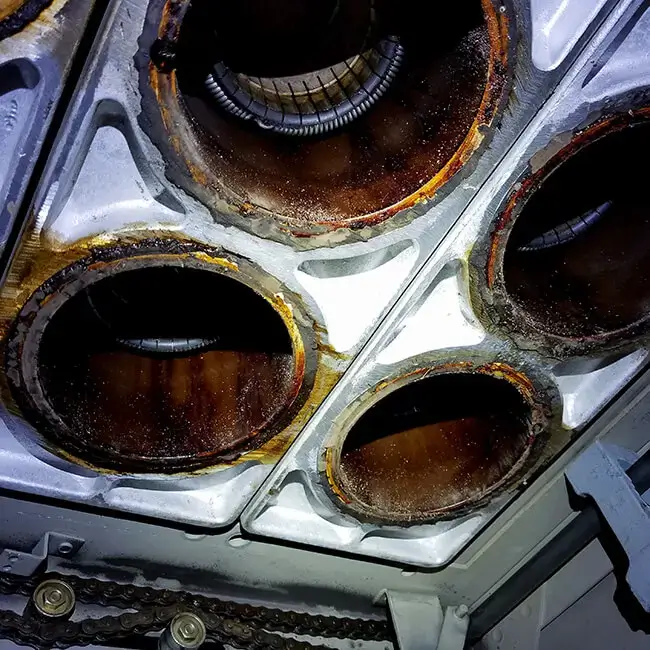
The Quad Plus team was called to this fossil fuel power generation plant to perform OEM maintenance procedures, PM work, and onsite support for unexpected GE Magne Blast circuit breaker problems. The customer has a large number of 4160 GE Magneblast breakers, all of which are 50+ years old. Some breakers are operated frequently, causing excessive wear due to a lack of lubrication and general maintenance. Others are operated rarely, causing dirt buildup.
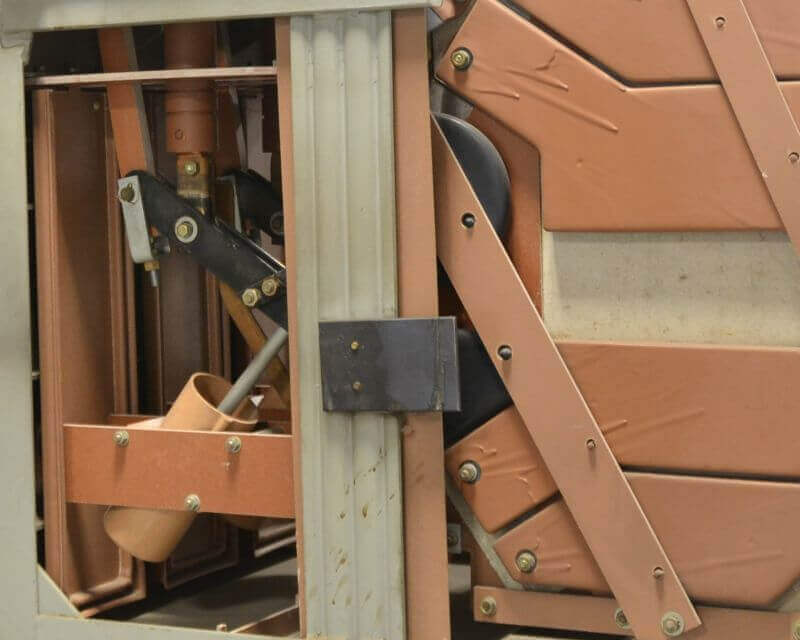
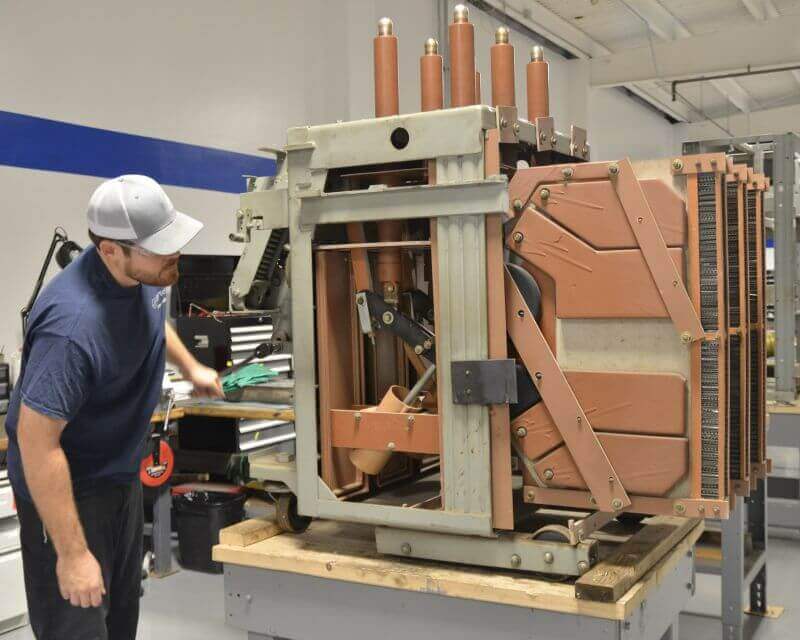
Due to a lack of proper maintenance, a few breakers sometimes did not function at all. The company also implemented modern lockout/tagout procedures that led to numerous issues with the elevator system on the breakers. Each GE Magne Blast circuit breaker weighed in excess of 500 pounds and was lifted vertically into cells. GE Industrial circuit breaker repair and upkeep were needed immediately.
The risk of damage to equipment or injury to workers was high due to the potential of the elevator failing during a racking procedure. This could result in the breaker elevator falling on one side and the unit becoming wedged in the cell.
Quad Plus Solution
The first step was to meet with the customer to review equipment-specific recommendations that would supplement the corporate guidelines they had been issued. These recommendations included overhauling heavily used equipment, semi-annual inspections, and regular testing of GE industrial circuit breakers and other equipment. Before implementing these solutions, the plant was experiencing an average of four major issues annually due to failing elevator mechanisms. These issues led to significant delays in the expected release to service.
After proper inspections, adequate lubrication, and regular testing of the GE Magne Blast circuit breakers and equipment, the plant had no equipment issues related to normal shutdown operations. The customer was satisfied, having substantially increased the safety of the work environment and eliminated downtime and production loss due to switchgear.
An Ounce of Prevention
Regular maintenance tasks such as inspections, cleaning, and lubricating of GE industrial breakers and electrical equipment may seem like they take time away from important, production-related tasks. That is, until something goes wrong that could have been prevented.
Rather than choosing when to stop or suspend operations for maintenance, it becomes an emergency—a situation costing you money from every angle and possibly putting your workers or equipment at risk. Don’t wait until something goes wrong or someone gets hurt to think about your maintenance and safety plans. Regular maintenance saves time, money, and even lives.
Common Circuit Breaker Problems in Aging Systems
In aging industrial systems, there are a number of common GE industrial circuit breaker problems that may arise and require the attention of a specialist:
- Worn Internal Components. The contacts inside a breaker can lose the ability to make a proper electrical connection. This can result in increased resistance, heat buildup, and potential failure. Mechanical wear to internal components such as springs and linkages can also affect the breaker’s ability to open and close correctly.
- Failure to Trip or Clear. The trip mechanism inside the breaker can fail, preventing it from tripping when a fault occurs. If the breaker does trip, a faulty mechanism can also prevent it from clearing the fault or fully opening the contacts.
- Rust and Corrosion. In harsh environments or when a GE Magne Blast circuit breaker has been exposed to moisture or corrosive materials, rust and corrosion can occur inside the breaker. This can result in damaged components and an inoperable breaker.
Identifying Signs of Wear and Tear in GE Circuit Breakers
Here are some signs of GE circuit breaker problems to look for that indicate it’s time to service or replace your GE industrial breakers:
- Burning Smell. A burning smell or visible scorch marks can indicate loose wires and melting insulation that can lead to fire or other hazards. It is critical to disconnect the power and contact a breaker specialist immediately.
- Crackling Sound. A crackling or buzzing sound can indicate problems with GE industrial circuit breakers, such as loose connections or overheating components.
- Frequent Tripping. Frequent or consistent tripping can be caused by a failing breaker that is no longer able to handle the load properly.
- Physical Damage. If the circuit breaker’s physical condition shows signs of wear and tear, rust, scorch marks, or melting, it may no longer be functioning properly and could result in hazardous conditions.
- Unresponsive Breaker. Failing to reset after tripping is another sign of a deteriorating GE Magne Blast circuit breaker. It is likely that the internal mechanism is no longer functioning properly.
Safety Protocols for Handling Deteriorating Circuit Breakers
The safest course of action when dealing with deteriorating GE Magne Blast circuit breakers is to contact a trained technician with experience handling hazardous equipment. Current guidelines for safely working with circuit breaker problems include:
- Always shut off the main breaker and follow Lock Out Tag Out protocols.
- Always wear proper PPE.
- Be sure to choose a replacement breaker with proper amperage rating.
- Conductors into the electrical panel can be energized. Always use proper isolating procedures.
- Follow all manufacturer and NEMA guidelines regarding inspection intervals and maintenance procedures.
Expert Recommendations for Managing Aging GE Magne Blast Breakers
The experts at Quad Plus are happy to inspect your aging electrical equipment and provide recommendations for repair, maintenance, and replacement. Our team has decades of experience keeping aging systems up and running. Here are our recommendations for managing aging electrical equipment.
Solve Your Circuit Breaker Problems Before They Lead to Failure
Aging electrical infrastructure, like GE Magne Blast circuit breakers and other GE circuit breakers, can lead to costly circuit breaker problems and unexpected downtime. Quad Plus offers expert diagnostics, refurbishment, and upgrade solutions to keep your system running safely and efficiently. Don’t wait for a failure—contact us today for a customized solution.

Frequently Asked Questions
Aging switchgear can increase the risk of GE Magne Blast circuit breaker problems due to worn components, degraded insulation, and corroded connections. Higher resistance in aging conductors and contacts can lead to heat buildup and energy loss. Deteriorating insulation, faulty trip mechanisms, and mechanical wear can also cause safety hazards such as arc faults, electrical fires, and injuries. Plus, older switchgear may not meet updated electrical codes, which could cause electrical compliance issues for your operation.
The decision to repair or replace aging switchgear depends on condition, operational needs, and budget. If the switchgear is structurally sound, circuit breaker problems are minor, and replacement parts are available, then repair is usually advised. Retrofitting with modern relays or vacuum interrupters can extend the switchgear’s lifespan. If it has recurring failures, lacks spare parts, or no longer meets safety and performance requirements, then replacement is usually the best option.
Preventive maintenance for GE Magneblast breakers starts with regular inspections to check for circuit breaker problems like physical damage, signs of overheating, and proper operation of mechanical components. Regular cleaning of dust, dirt, and corrosion is critical, along with lubricating all moving parts. Electrical testing that includes insulation resistance, contact resistance, and high-potential testing should be performed.